We shadowed 12 Bolt and Uber drivers in Nairobi for six weeks, logging fuel, maintenance, wear, passenger ratings and income. The goal was simple: which car makes the most money per shilling of running cost?
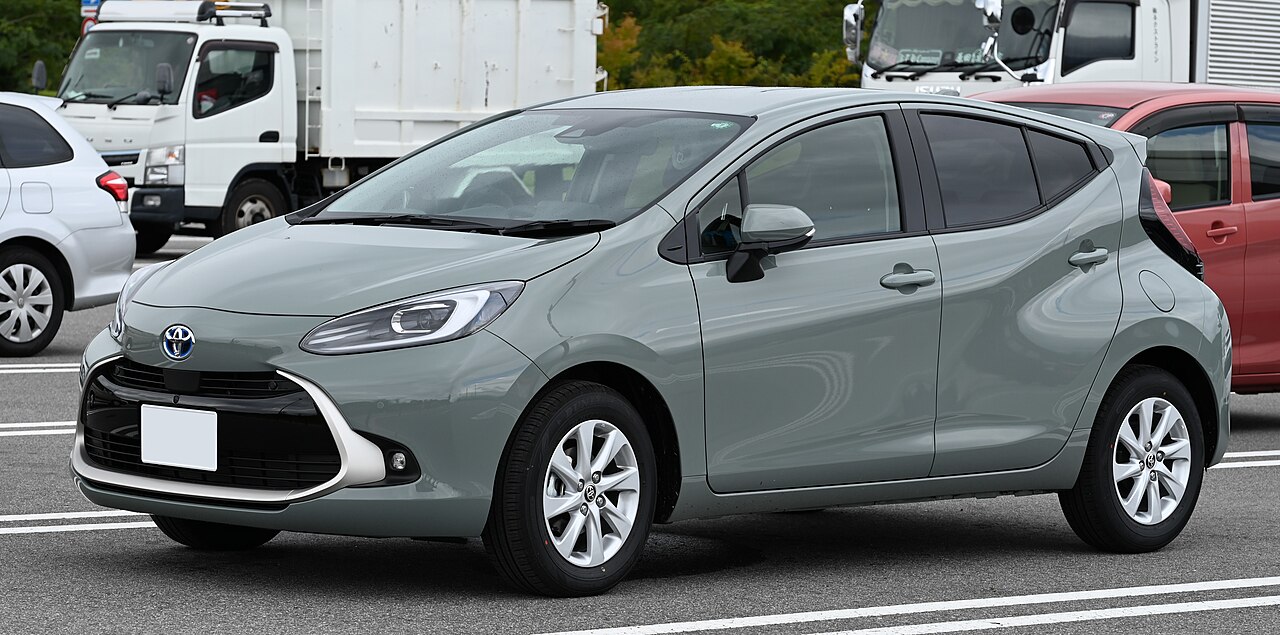
The winner is the Honda Fit Hybrid, by a wide margin. 21 km/L in Nairobi stop-start traffic, a cabin big enough for three adults plus bags, and a maintenance bill of roughly KSh 42,000/year for a driver putting on 40,000 km. At current Bolt/Uber rates that's a 78% gross margin on fuel + service — the best number in the entire panel.
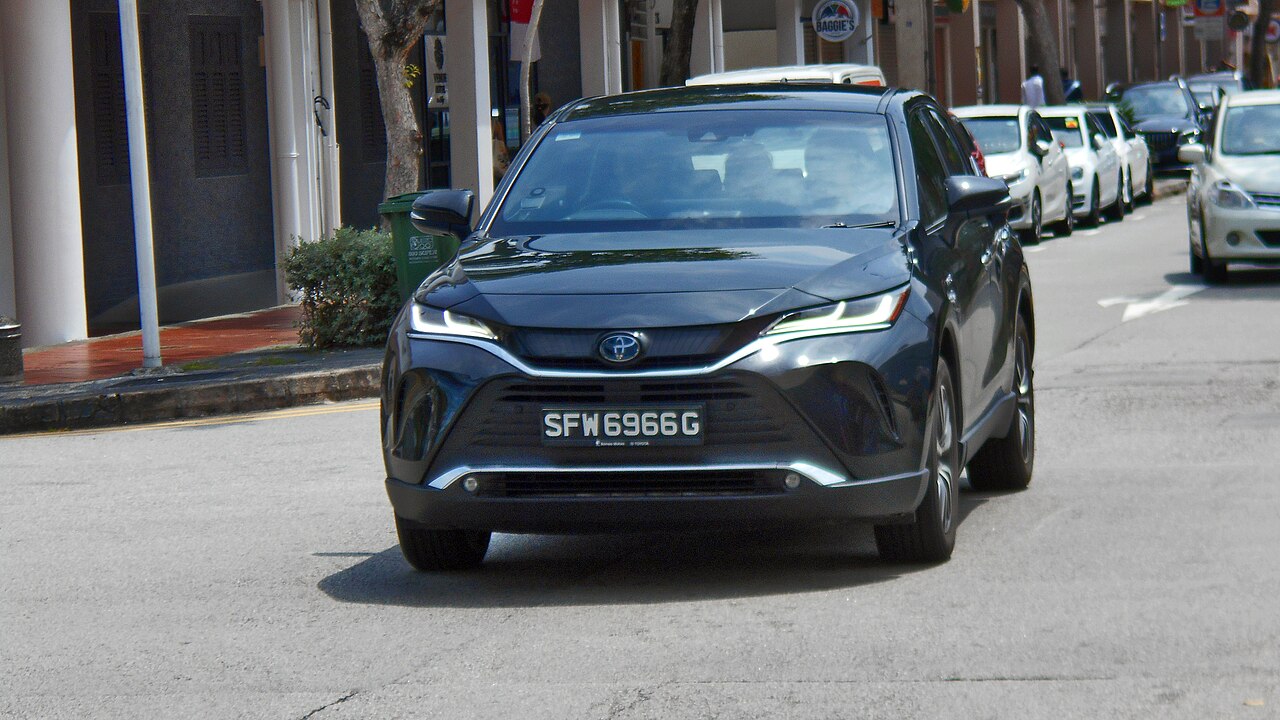
Second is the Toyota Axio Hybrid. Slightly more car, slightly more fuel — 19 km/L in traffic — and a cabin passengers rate higher. Margin 74%.
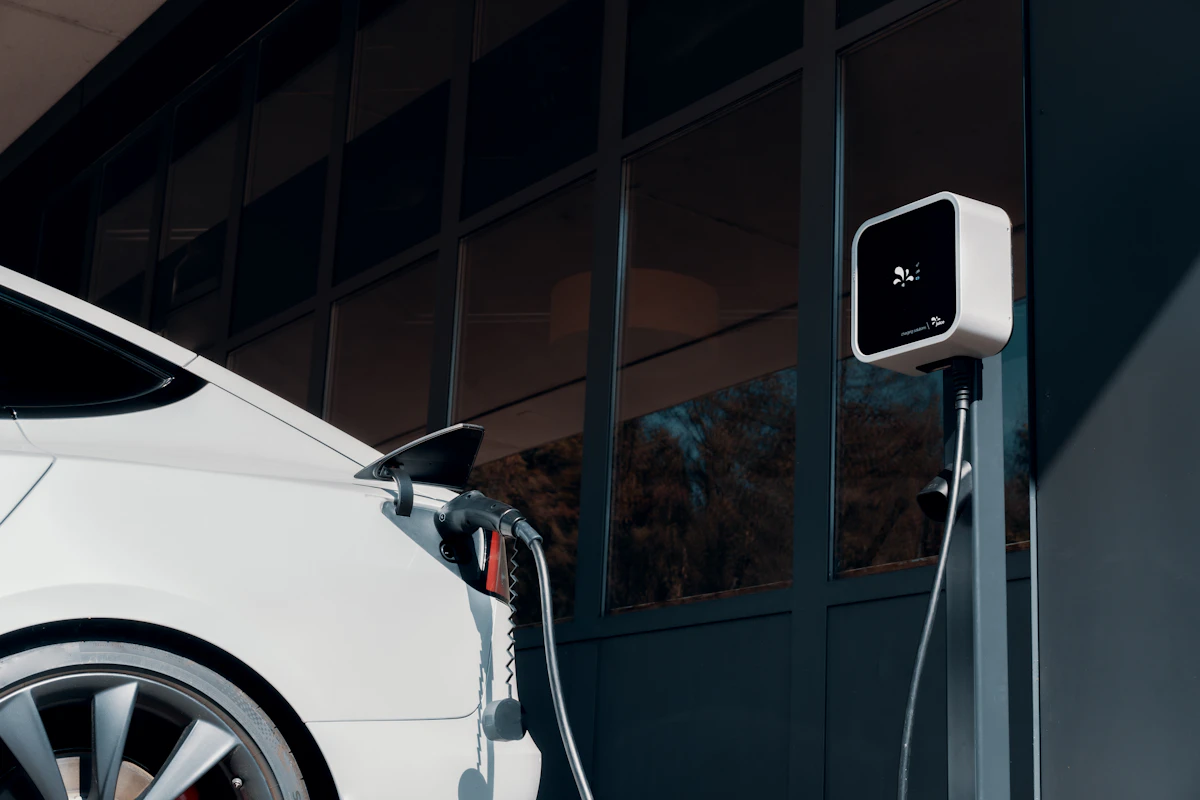
Third, interesting: the 2020+ Nissan Leaf. A driver with home charging access runs 'fuel' cost at about KSh 11/km, compared to KSh 16/km for the Fit. Over 40,000 km that's a KSh 200,000 annual difference. The catch is that without home charging the Leaf doesn't pencil. Bolt rates don't cover commercial DC fast-charging.
Two more: the Toyota Probox 1NZ (durable but passengers hate it), and the Suzuki Swift (cheaper to run than anything except an EV, but too small for the airport pickup market).
If you're starting ride-share today and you don't have solar, buy the Fit Hybrid. If you have solar and charging space, consider the Leaf. Everything else is a known trade-off.
If you're starting Bolt or Uber today without home solar, the Honda Fit Hybrid is the right answer. Full stop.